고정 헤더 영역
상세 컨텐츠
본문
Introduction
ERP software stands as a monumental leap in the way businesses operate, providing an integrated solution that manages core business processes in one cohesive system. By harnessing the power of ERP software, companies can significantly improve their operational efficiency and decision-making capabilities. Also read ERP software trends 2024.
Definition and Overview of ERP Software
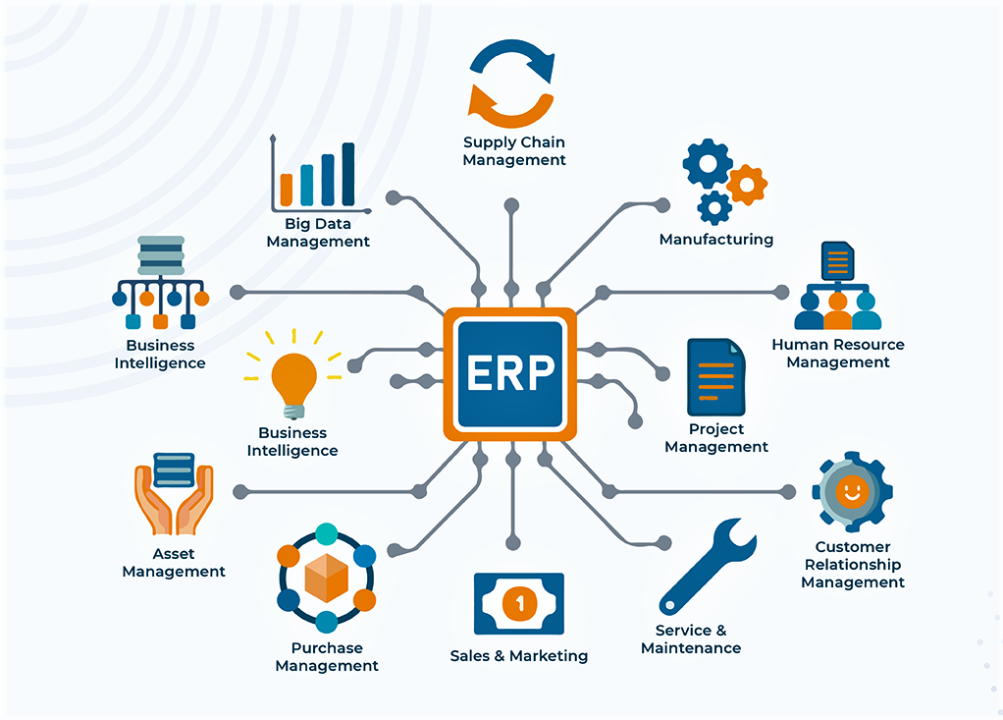
Enterprise Resource Planning (ERP) software is a comprehensive suite of applications designed to streamline and manage the myriad operations of a business. From finance and HR to service delivery and procurement, ERP software integrates these functions into one unified system, fostering improved data visibility and workflow coordination.
Importance of Streamlining Business Processes
Streamlining business processes is not just about cutting costs it's about enhancing the agility and responsiveness of an organization. A streamlined operation allows businesses to adapt quickly to market changes, increase employee productivity, and significantly reduce errors and redundancies. Through the deployment of ERP software, companies unlock the potential to optimize their processes, thereby achieving a competitive edge in their respective industries.
Benefits of Implementing ERP Software
Improved Efficiency and Productivity
Implementing ERP software in a business setup comes with significant improvements in efficiency and productivity. By automating mundane tasks, employees are free to focus on more strategic activities that add value to the business. ERP software streamlines various business processes, ensuring that tasks are completed faster and with fewer errors. This heightened efficiency often leads to a noticeable increase in productivity across departments, as team members can access the information they need when they need it, reducing downtime and bottlenecks in operations.
Streamlined Operations and Workflows
One of the standout benefits of ERP software is its ability to streamline operations and workflows within an organization. By providing a unified platform for all business processes, ERP systems eliminate the need for disjointed software solutions that can lead to inefficiencies and data discrepancies. This unified approach ensures a smoother workflow and facilitates better communication among departments. As a result, businesses can enjoy more coherent and efficient operations, contributing to overall performance and competitiveness in their industry.
Enhanced Data Integrity and Accuracy
Data integrity and accuracy are paramount in today’s data-driven business environment. ERP software significantly contributes to the enhancement of these aspects by offering a single source of truth for all business data. The centralized nature of ERP systems reduces data duplication and discrepancies, ensuring that the information throughout the organization is consistent and reliable. This enhanced data integrity and accuracy are vital for making informed business decisions and maintaining operational excellence.
Key Features of ERP Software
Centralized Database and Real-time Reporting
At the core of ERP software is its centralized database, which stores all operational data in one place. This centralization enables real-time reporting and analytics, giving management timely insights into business performance. Real-time data accessibility helps in making swift, informed decisions, reducing response times to market changes or internal issues. The ability to generate comprehensive reports on-demand is invaluable for strategic planning and maintaining a competitive edge.
Integration of Business Functions
ERP systems are designed to integrate and streamline various business functions, including finance, HR, manufacturing, supply chain management, and more. This integration ensures that information flows seamlessly across departments, enhancing coordination and eliminating information silos. By having a unified system, businesses can achieve a more holistic view of their operations, leading to better resource allocation and strategic alignment across all levels of the organization.
Automation of Routine Tasks
Automation is another powerful feature of ERP software, targeting routine and repetitive tasks. From accounting entries to order processing and inventory management, ERP systems can automate these tasks, minimizing human error and freeing up staff to concentrate on more critical, value-adding activities. Automation not only speeds up operations but also enhances accuracy and consistency in business processes, contributing to the overall effectiveness and scalability of the organization.
Cost Savings with ERP Software
ERP software stands at the forefront of business innovation, offering an array of cost-saving benefits that can significantly impact a company's bottom line. By streamlining operations and improving efficiency, businesses can leverage ERP systems to achieve substantial financial savings. ERP software development with Glasier Inc. Our expertise in crafting tailored solutions revolutionizes your business operations.
Reduction in Operational Costs
One of the most direct ways ERP software contributes to cost savings is through the reduction of operational costs. By integrating various facets of a business, such as finance, HR, and supply chain management, ERP systems eliminate redundant processes and automate routine tasks. This translates into less time and resources spent on manual data entry and cross-departmental coordination, effectively reducing labor costs and optimizing operational expenditure.
Improved Inventory Management and Procurement
ERP software enhances inventory management by providing real-time visibility into stock levels, demand forecasting, and order processing. This ensures that businesses can maintain optimal inventory levels, reducing the costs associated with overstocking or stockouts. Additionally, ERP systems streamline procurement processes, enabling businesses to negotiate better prices with suppliers, manage purchase orders more efficiently, and track vendor performance, all of which contribute to significant cost savings.
Minimization of Human Error and Rework
Human error in data entry and processing can lead to costly mistakes, requiring additional time and resources to rectify. ERP software minimizes these errors through automation and centralized data management. By ensuring data accuracy and consistency across all departments, businesses can significantly reduce the instances of rework and the associated costs, further boosting their savings.
ERP Software Trends and Future Developments
Enterprise Resource Planning (ERP) software has been pivotal in transforming businesses by streamlining operations and enhancing productivity. The future of ERP systems is shaping up with several exciting trends that promise to elevate business efficiency to new heights.
Cloud-based ERP Solutions
Cloud-based ERP solutions are becoming increasingly popular due to their flexibility and cost-effectiveness. Unlike traditional ERP systems that require significant investment in hardware and infrastructure, cloud-based ERPs are hosted on the vendor’s servers and accessed via the internet. This shift allows businesses of all sizes to implement ERP solutions without the hefty upfront costs. Moreover, cloud-based ERP systems offer scalability and accessibility, empowering employees to access critical business functions from anywhere, at any time.
Mobile ERP Applications
The proliferation of mobile technology is influencing ERP trends, with mobile ERP applications emerging as a game changer. These applications enable users to access ERP functions from their mobile devices, thus promoting real-time data access and decision-making. Whether it's approving purchase orders on the go, checking inventory levels, or accessing financial reports, mobile ERP apps ensure that business operations can continue seamlessly, irrespective of the user's location.
Artificial Intelligence and Machine Learning in ERP
Artificial Intelligence (AI) and Machine Learning (ML) are set to redefine ERP systems by automating complex processes, predicting trends, and offering actionable insights. These technologies can significantly reduce manual tasks, improve accuracy, and identify patterns in data that can help in making informed business decisions. For instance, AI can optimize inventory management through accurate demand forecasting, while ML can enhance customer service by personalizing interactions based on historical data.
Considerations for Implementing ERP Software
Implementing an ERP system is a significant undertaking that requires careful planning and consideration. Addressing the following considerations can ensure a successful ERP implementation.
Identifying Business Needs and Goals
Before embarking on the ERP software journey, it’s crucial to understand your business needs and goals. Analyzing current processes and identifying areas that require improvement can help in outlining the specific requirements from the ERP system. This step forms the foundation for selecting an ERP solution that aligns with your business objectives.
Selecting the Right ERP Software Vendor
Choosing the right ERP software vendor is paramount. It involves evaluating vendors based on their industry experience, the scalability of their solutions, and their ability to offer post-implementation support. The selected vendor should not only provide software that meets your business requirements but also ensure a partnership that facilitates continuous improvement and growth.
Hiring SaaS Developers or Consider Custom Software Development
Depending on the business needs, organizations might opt for Software as a Service (SaaS) ERP solutions or pursue custom software development. Hiring SaaS developers can be beneficial for businesses looking for cost-effective, ready-to-deploy ERP systems. However, organizations with unique processes or industry-specific needs might find value in custom software development. In such cases, hiring dedicated resources that understand your business intricacies can lead to the development of a tailored ERP solution that fits like a glove.
Implementing ERP software can revolutionize the way businesses operate. By staying abreast of industry trends and making informed decisions during the implementation phase, organizations can harness the full potential of ERP to optimize their processes, streamline operations, and achieve unprecedented levels of efficiency and productivity.
Conclusion
Implementing ERP software into a company's operations significantly optimizes business processes. It not only streamlines operations but also enhances overall efficiency and productivity. Key benefits include improved data accuracy, better financial management, and enhanced customer service capabilities.
Integrating ERP software into your business framework offers a comprehensive solution to manage and improve various business processes. Whether you choose to hire a SaaS developer or opt for custom software development, the importance of leveraging dedicated resources to harness the full potential of ERP cannot be overstated. Embrace the future by investing in ERP software, and propel your business towards streamlined success and sustained growth.


